If you are looking for a home in Flagstaff, energy efficiency is not just a nice extra. In a city with high elevation, cold winters, and about 77 inches of average annual snowfall, the way a home is built can shape your comfort every day. If Timber Sky is on your shortlist, this guide will help you understand what energy-efficient living can look like there, why it matters, and what to ask as you compare homes. Let’s dive in.
Why energy efficiency matters in Flagstaff
Flagstaff is a mountain city at roughly 7,000 feet in elevation, and that climate changes how a home performs. The City of Flagstaff reports an average annual high of 60.8°F and an average low of 26.8°F, which means heating needs can be a major part of your ownership costs.
In a climate like this, features such as insulation, air sealing, window quality, and HVAC design are not minor details. They affect how warm your home feels in winter, how steady the indoor temperature stays, and how hard your systems have to work throughout the year.
That is why energy-efficient construction stands out in communities like Timber Sky. Better building performance can mean fewer drafts, more consistent comfort, and lower utility use, though exact savings still depend on the home, the systems installed, and your utility rate plan.
Timber Sky’s energy-efficient appeal
Timber Sky is a master-planned community in west Flagstaff on historic Route 66 between Flagstaff Ranch Road and Woody Mountain Road. It is designed as a year-round mountain community with multiple neighborhoods, and its builder materials emphasize modern living paired with energy-efficient construction.
That focus fits the setting. Timber Sky also connects directly to the Flagstaff Urban Trails System and includes amenities such as trails, a dog park, pickleball courts, playgrounds, picnic areas, ramadas, and greenbelt space. For many buyers, that mix of outdoor access and higher-performance homes is a big part of the lifestyle draw.
From a real estate perspective, this matters because buyers in Flagstaff often want more than square footage and finishes. They want a home that feels comfortable in all seasons and is designed with long-term livability in mind.
Common energy-efficient features in Timber Sky
Published Timber Sky and Capstone materials show a strong pattern of efficiency-focused features, although the exact package can vary by builder, plan, and homesite. In many homes, you may see a combination of the following:
- ENERGY STAR certification at minimum in Capstone’s Flagstaff homes
- Foam or spray-foam insulation
- Low-E dual-pane windows
- Insulated slabs
- Efficient furnaces
- Programmable thermostats
- LED lighting
- ENERGY STAR appliances
- WaterSense fixtures
- Tankless water heaters in some homes
- Fresh-air ventilation
- Low-VOC paint
- Solar-ready wiring or conduit
- Third-party inspections
These features work best as a system, not as isolated upgrades. For example, a well-insulated home with quality windows and good air sealing can help your heating system run more efficiently while also improving day-to-day comfort.
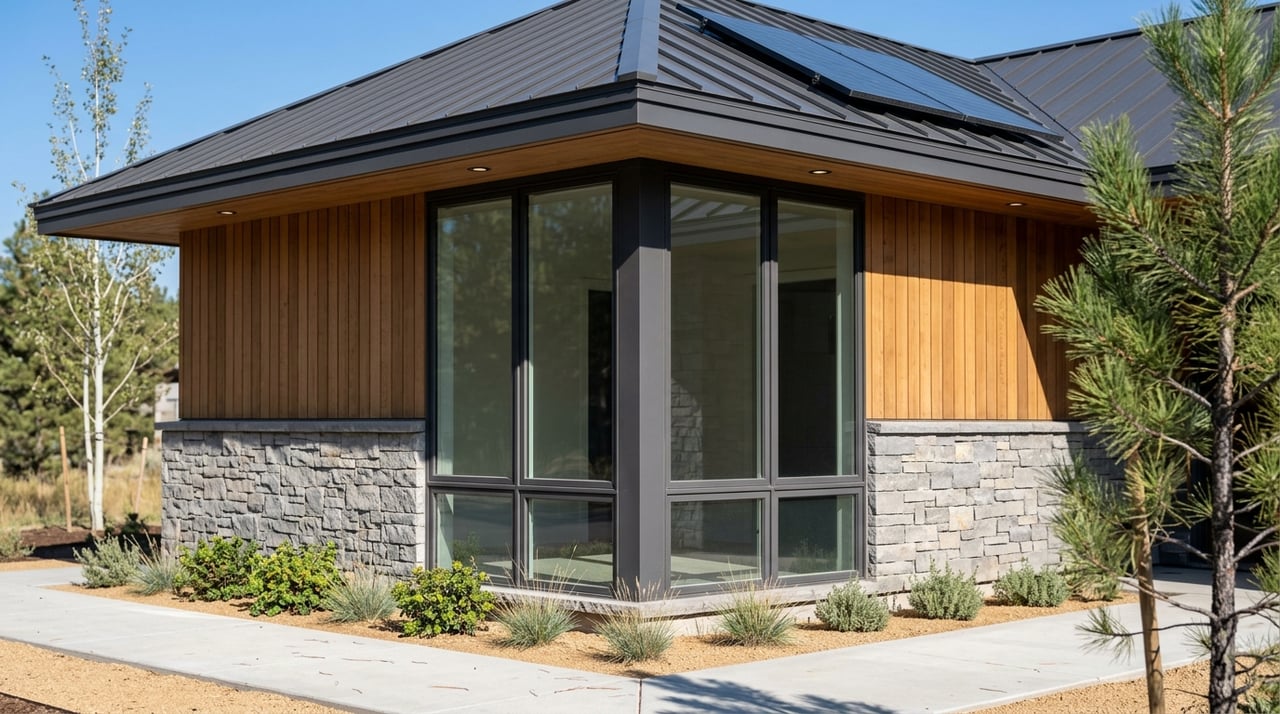
Some Timber Sky listings specifically mention spray foam insulation, tankless water heaters, low-E windows, and solar-ready construction. That gives buyers a useful snapshot of how these efficiency features show up in actual inventory, not just in broad marketing language.
What these features mean for daily comfort
Energy efficiency is often discussed in terms of utility bills, but comfort is usually the first thing you notice. In a well-built home, rooms tend to feel more even from one area to another, and you are less likely to deal with cold spots or constant thermostat adjustments.
A tighter building envelope and stronger insulation can also reduce drafts. In Flagstaff, that matters during winter storms, cold mornings, and shoulder seasons when temperatures can swing noticeably from day to night.
Indoor air quality can also improve when a home includes fresh-air ventilation and thoughtful system design. That does not mean every home will perform the same way, but it does show why construction quality matters so much when you are comparing newer homes in this market.
What to expect on utility costs
Many buyers ask the same question: will an energy-efficient home actually lower monthly bills? In many cases, yes, but it is smart to keep expectations realistic.
Flagstaff’s 2025 study found that highly energy-efficient, all-electric homes are technically and financially feasible in the city. The same study also noted that lower utility costs are possible because efficiency reduces energy use, but actual savings depend on the builder, the HVAC configuration, and the utility rate plan.
That is an important distinction. A Timber Sky home may be designed to make efficiency easier, but your real-world costs will still depend on how the home is equipped and how you use it.
Energy efficiency and water-wise living
In Northern Arizona, sustainable living is not only about electricity or gas use. Water-wise design is part of the same conversation because the region has limited water resources.
Coconino County highlights tools such as low-flow fixtures, rainwater harvesting, xeriscaping, native landscaping, and greywater resources as part of sustainable building. In Timber Sky, WaterSense fixtures and efficient site planning can support that broader approach.
For buyers, this means an efficient home may offer value beyond heating and cooling. It can also reflect a more thoughtful approach to resource use that fits Flagstaff’s climate and long-term sustainability goals.
How Timber Sky fits Flagstaff’s sustainability culture
Timber Sky aligns well with the broader local mindset around sustainability. Flagstaff is known for its natural setting, trail access, and dark-sky standards, and the city has long supported building practices that go beyond minimum code.
Flagstaff’s zoning code includes optional Residential Sustainable Building Incentives for qualifying projects that exceed current standards. Coconino County also offers a free Sustainable Building Program with consultations, certifications, and guidance for building more sustainably.
The local conversation also continues after closing. The City of Flagstaff offers rebates tied to weatherization, heat pumps, induction stoves, electrical upgrades, and related efficiency improvements, which can be useful if you are comparing different homes or planning future upgrades.
Not every Timber Sky home is identical
This is one of the most important points for buyers to understand. Timber Sky includes multiple builders, neighborhoods, and phases, so features can vary from one home to another.
That means you should not assume every property is all-electric, solar-equipped, or built with the exact same performance package. Current materials show a mix of efficiency features, solar readiness, and select solar-equipped homes, and builder materials also note that plans, features, and community details are subject to change.
When you tour homes, it helps to look past surface finishes and ask detailed questions about the systems and construction. That is often where the biggest differences in comfort and long-term value show up.
Smart questions to ask before you buy
If you are comparing homes in Timber Sky, these questions can help you evaluate energy-efficient living in a practical way:
- Is the home ENERGY STAR certified?
- What type of insulation is installed?
- Are the windows low-E and dual-pane?
- What kind of heating and cooling system does the home use?
- Is the home all-electric, mixed-fuel, or solar-ready?
- Does the home include a tankless water heater?
- What ventilation features are included?
- Are WaterSense fixtures installed?
- Were third-party inspections completed?
- Are there builder documents that outline the home’s energy-related features?
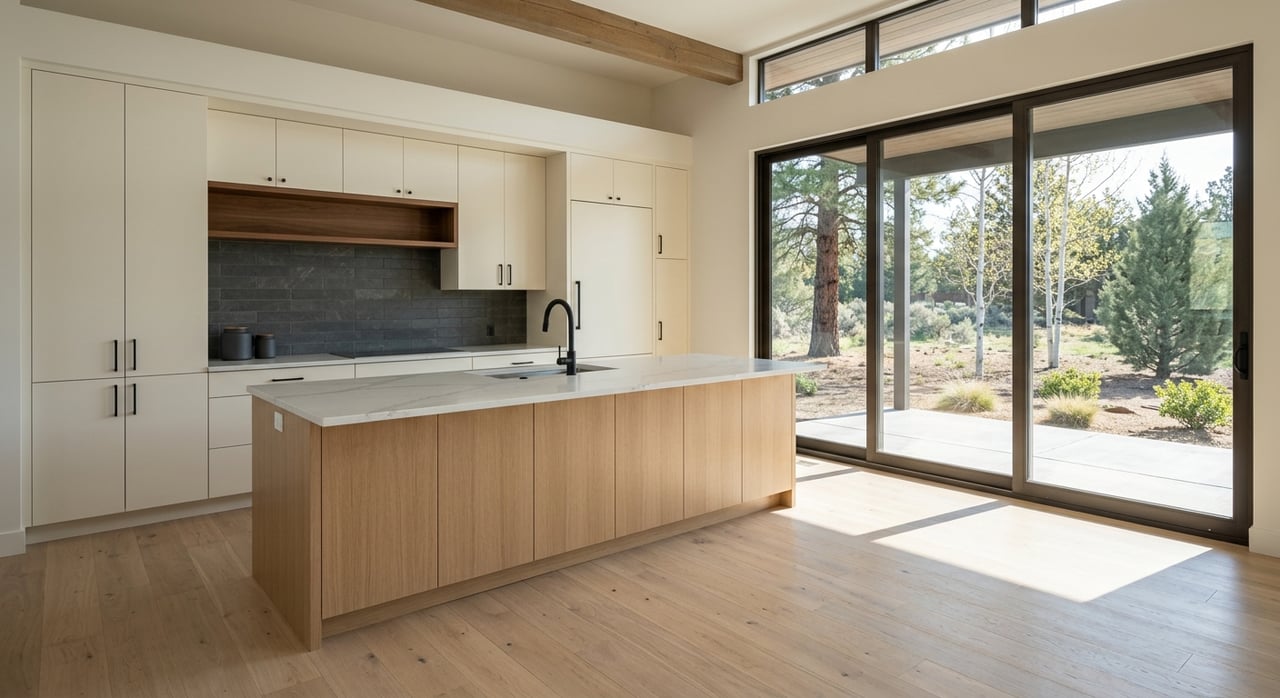
These questions are especially helpful if you are relocating to Flagstaff or buying new construction for the first time. A polished kitchen is easy to spot, but the systems behind the walls often have a bigger impact on how the home lives over time.
Why local guidance matters in Timber Sky
In a community like Timber Sky, buying well often comes down to knowing how to compare plans, phases, builders, and feature packages. Two homes can look similar online but differ in insulation strategy, HVAC setup, solar readiness, or overall performance details.
That is where local, finance-minded guidance can make the process clearer. If you want to weigh comfort, efficiency, resale potential, and overall value together, it helps to work with someone who understands both the neighborhood and the construction details that matter in Flagstaff.
If you are exploring Timber Sky or comparing energy-efficient homes in Flagstaff, Blake Cundick can help you sort through the options with clear, steady guidance.
FAQs
What makes energy-efficient living important in Timber Sky, Flagstaff?
- Flagstaff’s high elevation, cold winters, and large temperature swings make insulation, air sealing, windows, and HVAC quality especially important for comfort and operating costs.
What energy-efficient features are common in Timber Sky homes?
- Published materials commonly mention features such as ENERGY STAR certification, spray foam or foam insulation, low-E windows, insulated slabs, efficient furnaces, programmable thermostats, LED lighting, WaterSense fixtures, fresh-air ventilation, and solar-ready wiring, though features vary by home.
Are all Timber Sky homes all-electric?
- No. Timber Sky includes multiple builders and phases, and current materials show a mix of efficiency features, solar readiness, and select solar-equipped homes rather than one standard setup across every property.
Do energy-efficient Timber Sky homes always have lower utility bills?
- Often they can reduce utility use, but Flagstaff’s study says actual savings depend on the builder, HVAC configuration, and the utility rate plan.
Why does water efficiency matter in a Timber Sky energy discussion?
- In Northern Arizona, sustainable building guidance treats energy, water, and site design as connected priorities because the region has limited water resources.
What should buyers ask when comparing Timber Sky homes?
- Ask about ENERGY STAR certification, insulation type, window specs, HVAC design, water-heating system, solar readiness, ventilation, WaterSense fixtures, and whether third-party inspections were completed.