Dreaming about a cooler-weather getaway in Northern Arizona? Juniper Point near Linden offers the kind of high-country setting that naturally lends itself to a mountain retreat, with elevation around 6,713 feet, forested surroundings, and easy access to the White Mountains lifestyle. If you are thinking about building, buying, or refining a retreat-style home here, the right design choices can make your property more comfortable, durable, and easier to enjoy year-round. Let’s dive in.
Why Juniper Point Feels Like a Retreat
Juniper Point sits in Navajo County near Linden and Pinedale, in a landscape that feels distinctly mountain-oriented rather than suburban. That matters because the best home design here starts with the land itself, including slope, trees, drainage, views, and how the home fits the setting.
The climate also shapes what works. A nearby NOAA climate reference point at Show Low AP reports an annual mean temperature of 53.1°F, annual precipitation of 15.70 inches, and annual snowfall of 19.4 inches. With snowfall especially noticeable in December, January, and February, winter-ready design is not just a nice extra. It is part of building smart.
Design for the Land First
In a place like Juniper Point, the lot often has as much influence on the home as the floor plan. A mountain retreat works best when the design responds to the terrain instead of forcing a flat-land approach onto a high-country site.
That usually means paying close attention to manageable slope, drainage patterns, tree placement, and usable outdoor space. It also means thinking early about where snow sheds, how water moves away from the structure, and how to preserve view corridors without overcomplicating the build.
Navajo County’s land division framework also reflects the area’s more rural character. In unincorporated county areas, minor land division review is required when one or more resulting parcels would be less than 10 acres, which helps show that this market often deals with larger, more flexible lots than a typical city neighborhood.
Architectural Styles That Fit Juniper Point
There is no single “correct” style for a mountain retreat here, but several design directions feel especially natural. Broader Navajo County parcel examples show one-story ranch homes as well as some two-story homes, which supports a range of retreat-friendly home types.
For many buyers, the best fit is one of these three styles:
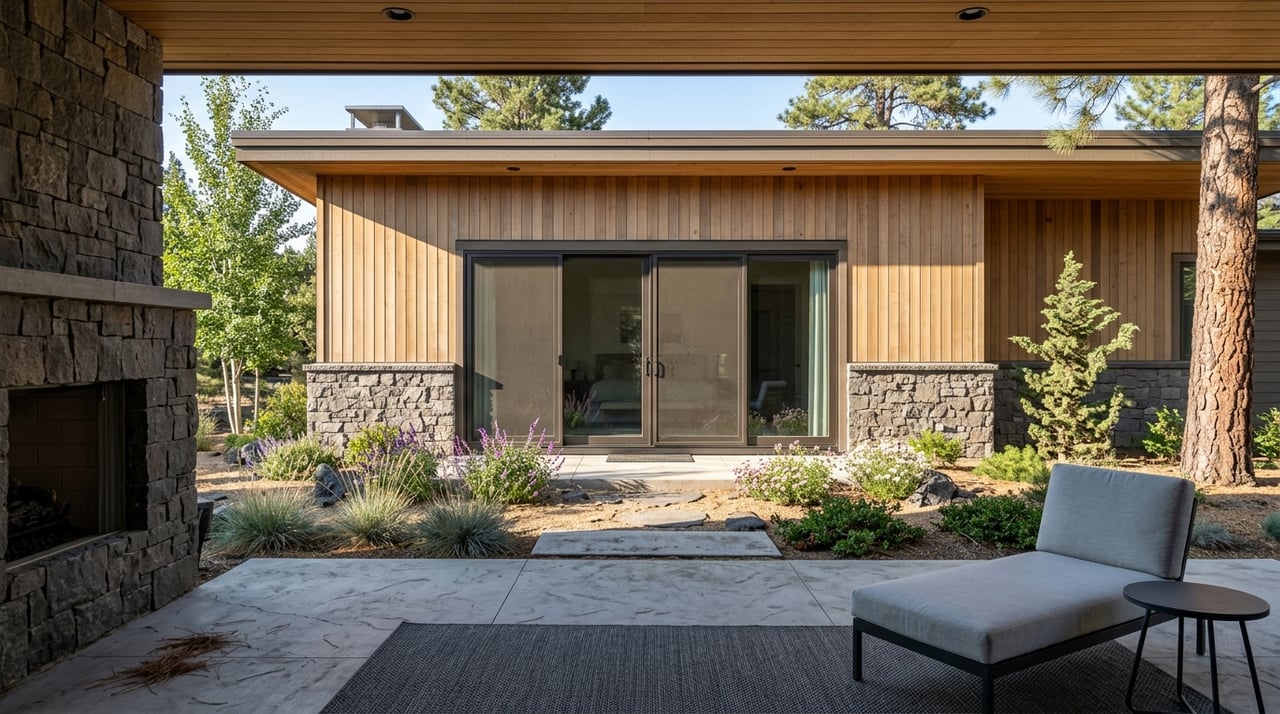
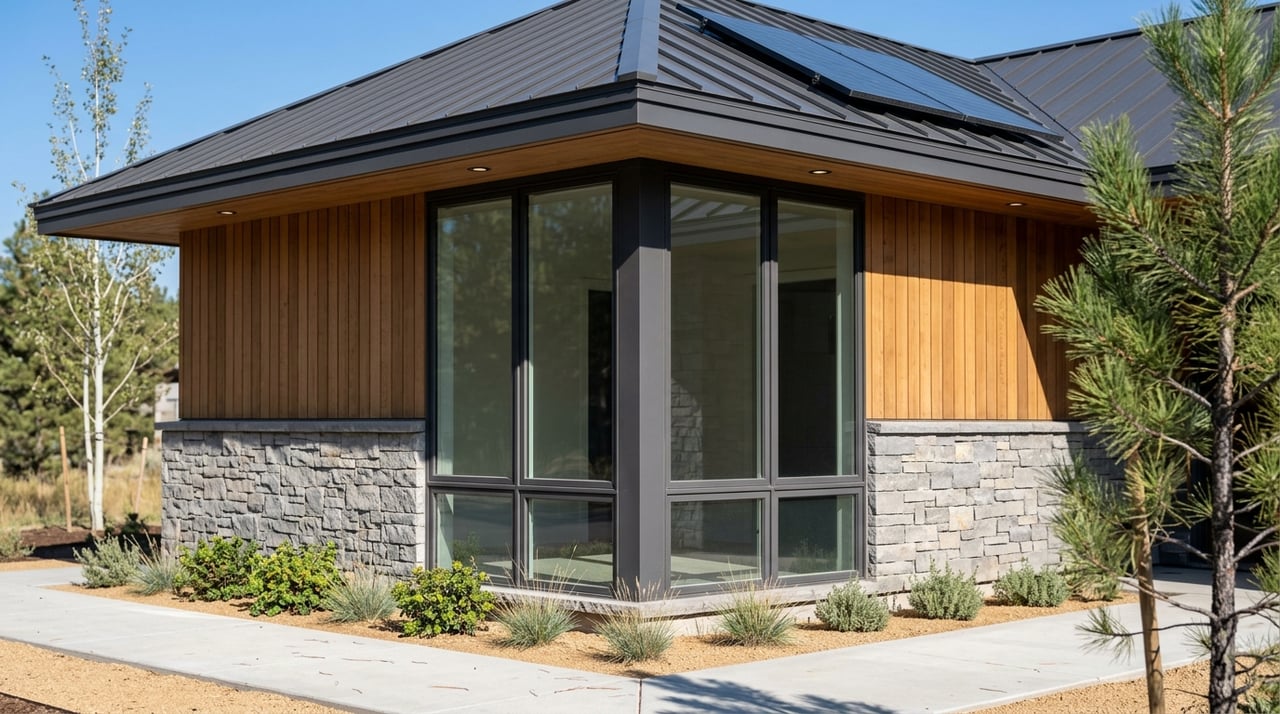
- Mountain modern with simple forms, clean lines, broad windows, and warm natural finishes
- Rustic-contemporary with wood and stone textures paired with a more updated layout
- Cabin-inspired design with a classic mountain feel but less visual heaviness than an old-fashioned lodge look
The common thread is simplicity. In a high-country climate, homes tend to perform better when the form is straightforward, the exterior materials are durable, and the finishes age well over time.
Materials Matter in a High-Country Climate
A Juniper Point retreat should feel warm and inviting, but it also needs to handle sun, snow, wind, and seasonal vacancy. That is why material selection matters as much as curb appeal.
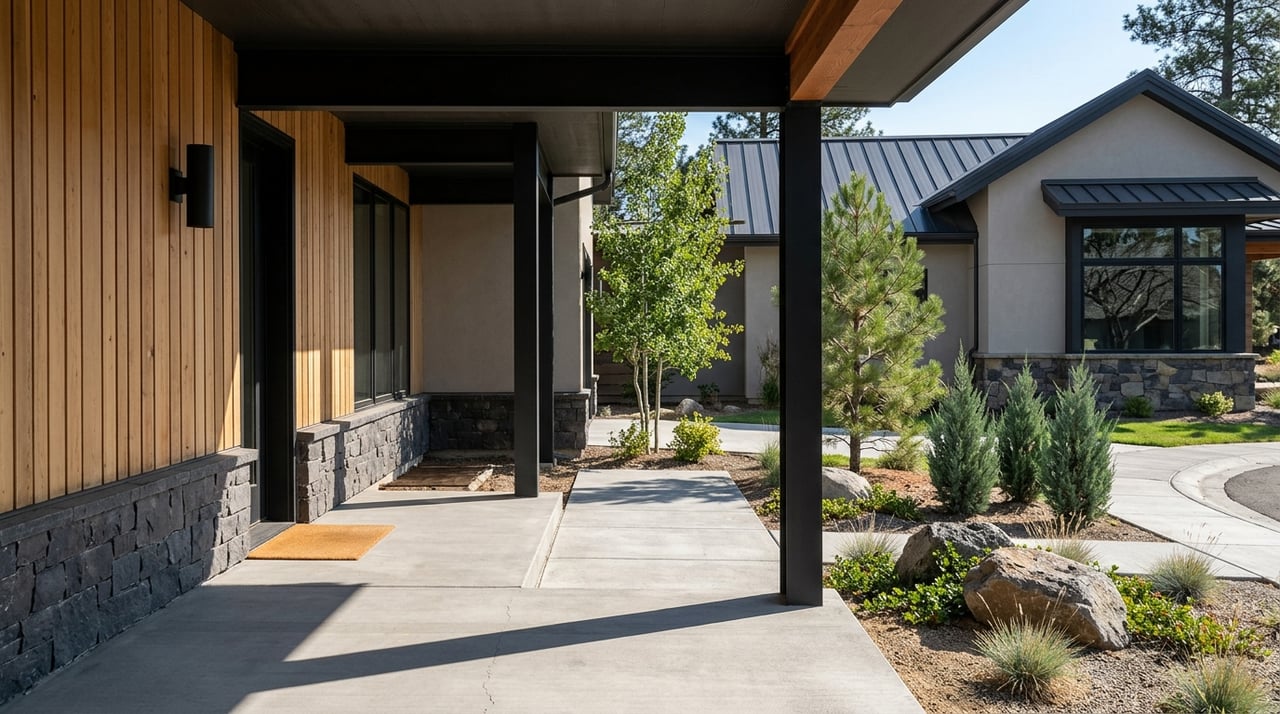
Exterior finishes that are easier to maintain can make a big difference, especially if you are planning a second home or a lock-and-leave property. Simpler roof forms, durable siding choices, and practical hardscape near the home can help reduce upkeep while supporting wildfire readiness and winter performance.
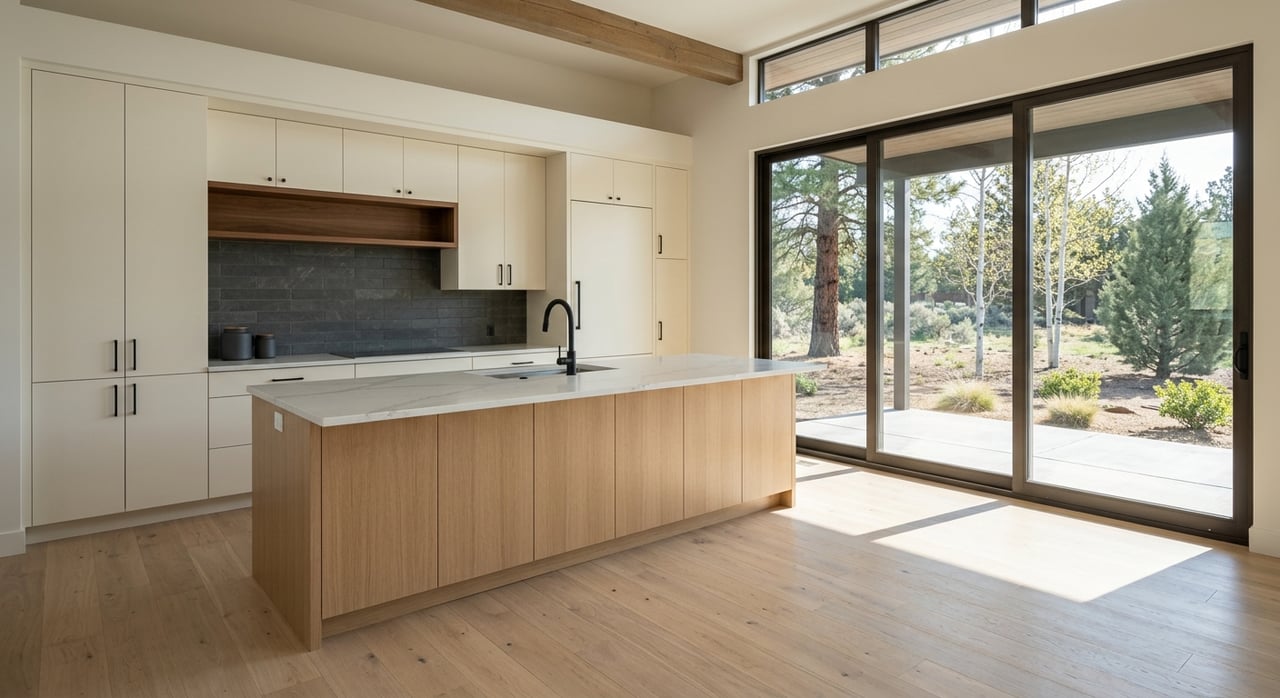
Inside, a mountain retreat often feels most successful when the palette stays calm and natural. Wood tones, stone accents, warm neutrals, dark window frames, and open gathering spaces fit the setting well without feeling overly themed.
Plan Early for Permits and Utilities
One of the biggest mistakes buyers make in rural or semi-rural mountain areas is treating utilities and permits like late-stage details. In Juniper Point, they are part of the design conversation from day one.
Navajo County’s Building Information page includes permit pathways for building, manufactured homes, water and waste, conventional septic, and wells. The county also references lot coverage information and a revised snow load standard, which reinforces how important structural planning is in this setting.
If you are evaluating land or a custom build opportunity, it helps to verify these items early:
- Building permit requirements
- Snow load standards
- Septic needs and approvals
- Well-related requirements where applicable
- Lot coverage limitations
- Access and site planning for winter conditions
This early planning can save time, money, and frustration later. It also gives you a clearer picture of long-term value before you commit.
Outdoor Living Should Be Practical
A mountain retreat is not just about the interior. In Juniper Point, the outdoor experience is a big part of the appeal, so your design should create usable exterior space without making maintenance harder.
The wider Apache-Sitgreaves National Forests region includes more than 2 million acres, 24 lakes and reservoirs, and more than 400 miles of rivers and streams. That broader recreation setting is a major reason buyers are drawn to this part of Northern Arizona in the first place.
Nearby Fool Hollow Lake Recreation Area adds to that appeal. It is open year-round, sits at 6,280 feet, and includes a 150-acre lake, trails, boat ramps, and day-use amenities in a ponderosa pine setting with juniper and pinyon pine nearby. That kind of lake-and-forest access supports the idea of a home that feels like a private base camp.
When planning outdoor features, it often helps to focus on low-fuss comfort:
- Covered patios for shade and seasonal use
- Durable decking or hardscape
- Easy paths from the driveway to the front entry
- Seating areas positioned for views or tree cover
- Outdoor storage that supports recreation gear
A Slower, Quieter Lifestyle Adds Value
The lifestyle value in Juniper Point is not only about dramatic scenery. It is also about pace. For many buyers, the real luxury is having a place where you can spend time at the lake, walk in the forest, and enjoy cooler weather than the low desert.
The Apache-Sitgreaves National Forests offer hiking, biking, fishing, boating, camping, and winter sports. That wide mix of options makes Juniper Point appealing whether you want an active weekend home or a quiet place to reset.
This is why retreat design should support both function and atmosphere. You want a home that feels comfortable after a day outdoors, but also one that is enjoyable when you do nothing more than sit on the patio and take in the trees.
Lock-and-Leave Design Is Possible
If you are shopping for a second home, low-maintenance design is usually high on the priority list. In Juniper Point, lock-and-leave living can work well, but only if the home is planned with the local conditions in mind.
Navajo County states that White Mountain communities face wildfire threat every year. Its Firewise guidance recommends a non-combustible zone in the immediate 0 to 5 feet around the house, keeping roofs and gutters clear of debris, screening vents, and moving flammable materials away from exterior walls.
The county also recommends mowing, pruning, tree spacing, and fuel breaks in the 5 to 30 foot and 30 to 100 foot zones. For a retreat property, that makes low-maintenance landscaping and practical exterior detailing especially important.
Firewise Choices That Support Better Design
Wildfire readiness does not have to conflict with good design. In many cases, the most practical choices are also the most visually clean.
Consider features like these when planning a mountain retreat:
- Hardscape close to the structure
- Simpler rooflines that are easier to maintain
- Screened vents
- Clear separation between exterior walls and flammable materials
- Landscaping that is easier to manage seasonally
- Outdoor areas designed with defensible space in mind
These choices can support peace of mind while keeping the property attractive and easier to maintain when it sits empty for stretches.
Think Carefully About Future Flexibility
Some buyers want a pure personal retreat, while others want the option to rent the property in the future. If rental use is part of your thinking, it is smart to stay general early and verify details before making decisions.
County rules, parcel-specific conditions, and any HOA requirements can vary. Tax treatment and ownership structure can also differ depending on how the home is used, so those questions are best reviewed with a CPA, attorney, or tax advisor.
From a design standpoint, flexibility usually comes from smart basics. A functional layout, durable finishes, good storage, and low-maintenance exterior design can support personal use today and broader appeal later.
What Buyers Should Prioritize First
If you are exploring Juniper Point as a future retreat location, it helps to focus on a few foundational decisions first. Those early choices tend to shape everything that follows.
Start by looking closely at:
- The lot’s slope and drainage
- Tree coverage and defensible space potential
- Utility planning, including septic and well needs if applicable
- Roof and structural planning for snow load
- Exterior materials and maintenance demands
- Outdoor living that adds comfort without adding too much upkeep
When those pieces come together, a Juniper Point home can deliver exactly what many Northern Arizona buyers want: a mountain setting, a calmer pace, and a retreat that feels both beautiful and practical.
If you are considering a home or homesite in Juniper Point or anywhere in Northern Arizona, Blake Cundick can help you evaluate the land, the build considerations, and the long-term value with a clear, steady approach.
FAQs
What makes a lot in Juniper Point work well for a mountain retreat?
- A lot with manageable slope, good drainage, and enough room for Firewise planning usually gives you the most practical starting point for a retreat-style home.
What home styles fit Juniper Point in Linden, Arizona?
- Ranch, cabin-inspired, and mountain-contemporary homes can all fit the setting, especially when they use simple forms and durable materials.
Why should buyers verify utilities and permits early in Juniper Point?
- Navajo County permit pathways for building, septic, wells, and snow load planning show that site readiness and utility planning are important from the beginning.
Can a Juniper Point home work as a lock-and-leave property?
- Yes, but it works best when the home is designed for wildfire readiness, winter weather, and lower ongoing exterior maintenance.
What lifestyle does Juniper Point offer near Linden?
- Juniper Point offers a high-country lifestyle with access to forest, lake, and seasonal outdoor recreation, along with a quieter pace that many second-home and lifestyle buyers value.