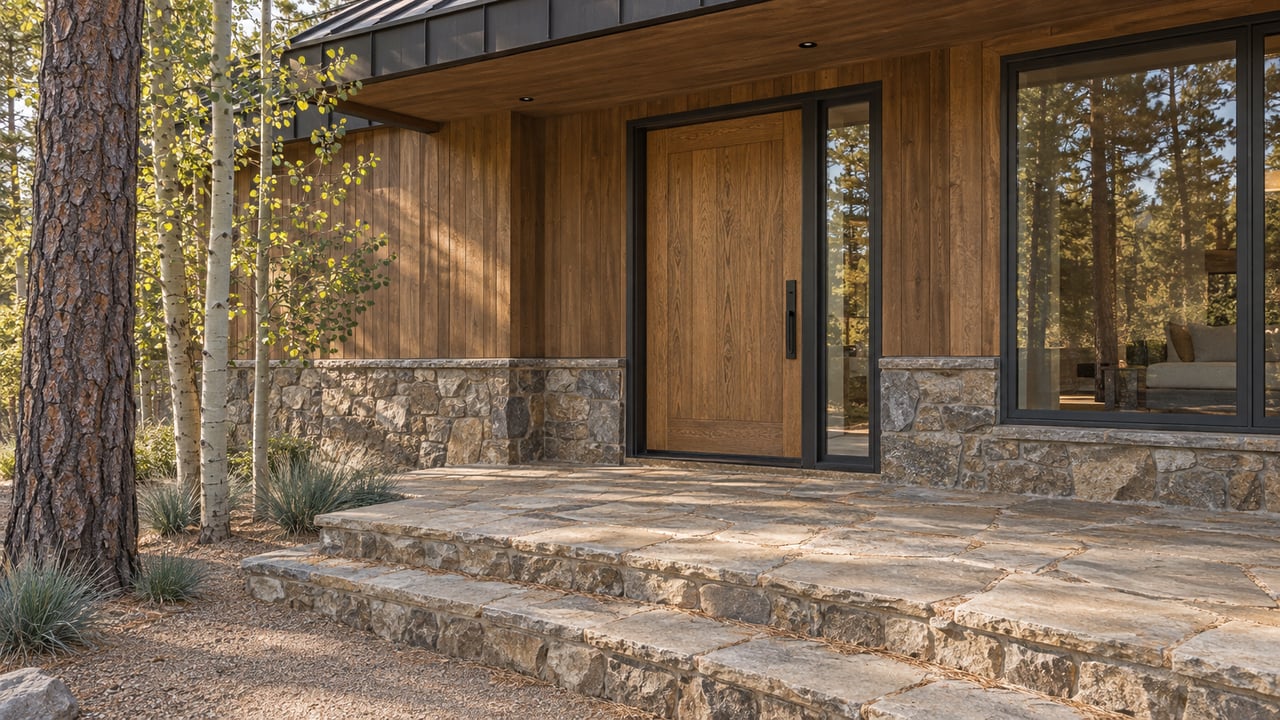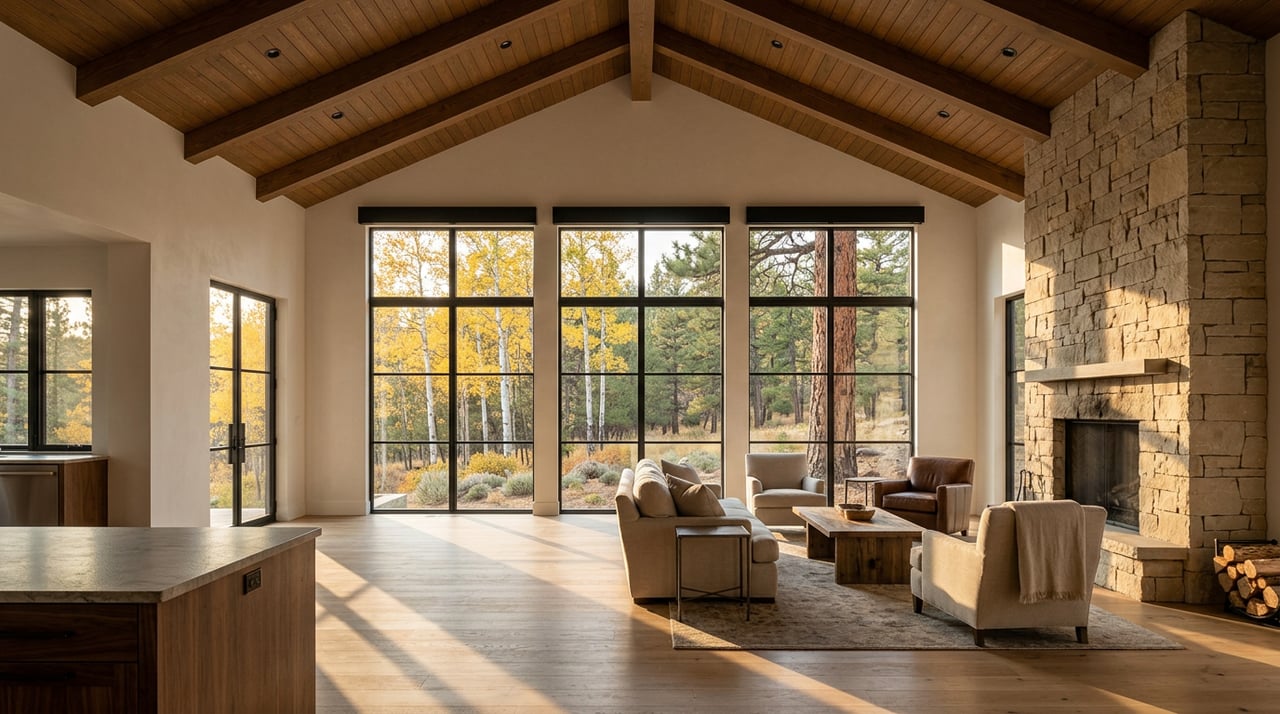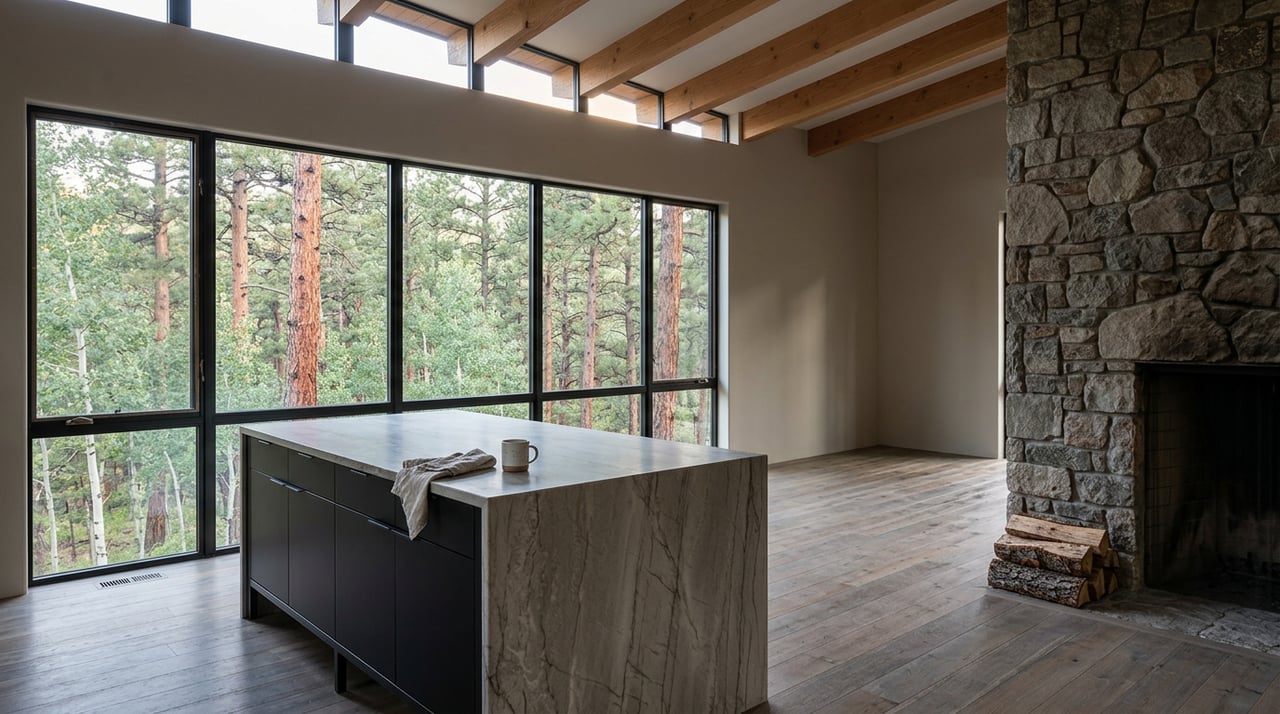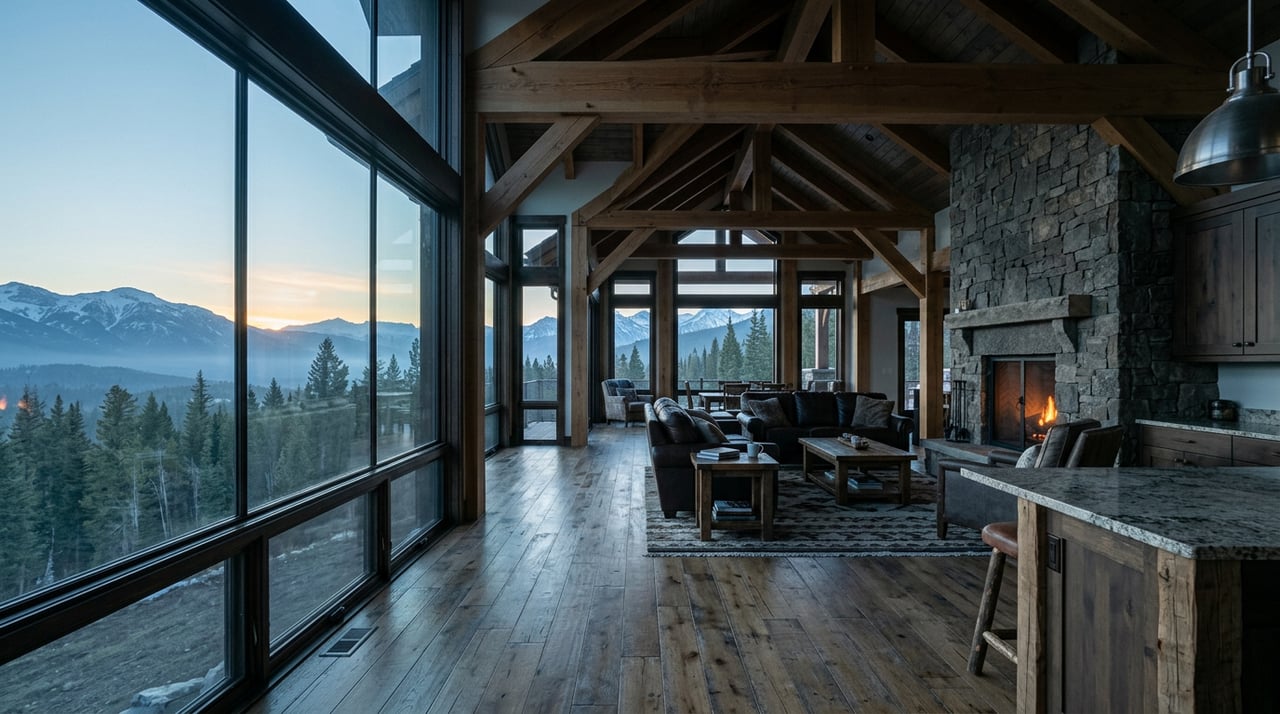
"Paradise in the Pines" is the phrase Forest Highlands Golf Club uses for itself, and it is not wrong. Ponderosa pines close in around both courses, the elevation sits near 7,000 feet, and the two clubhouses have been renovated to match. But the phrase describes a setting, not a schedule. If you live here, the actual rhythm of the year runs on a calendar most of the marketing skips: six months of golf, bracketed by six months where the courses sit closed and something else entirely holds the community together.
That something else has a name, and it is not the club's management team. It is a volunteer-run foundation now well into its second decade, plus a handful of recurring traditions that keep happening whether or not anyone is teeing off. Understanding how those two halves of the year fit together explains more about daily life at Forest Highlands than any course ranking does.
What the Rankings Actually Measure
Start with the number everyone already knows. Golf Digest's 2025-26 rankings place the Canyon Course second in Arizona and 124th nationally, a jump the club has held onto for a while now after being ranked as high as 38th nationally back in the early 1990s. The Meadow Course sits 11th in Arizona. Both were shaped by Tom Weiskopf, with Jay Morrish co-designing the Canyon. Those numbers are real, and they matter if you play golf.
What they do not tell you is when you can play. The rankings evaluate course design and conditioning. They say nothing about the fact that, per the club's own community life page, both courses are open from the first weekend of May through the last weekend of October. That is a defined six-month window, not a year-round amenity. A cart runs $27 for 18 holes during that stretch. Outside of it, the "36 holes of championship golf" that shows up in every description of Forest Highlands simply is not available to play.
The Half of the Year Nobody Markets
So what fills the other six months, and honestly, plenty of hours inside the golf season too? The two clubhouses do a lot of the work. Each has its own dining identity rather than functioning as a single interchangeable clubhouse. The Meadow's open-air dining room has built its reputation on burger night specifically, the kind of recurring, low-key social fixture that shows up in member feedback more often than anything about the course itself. The Canyon side runs its own dining room and golf shop, distinct enough that members talk about "Canyon people" and "Meadow people" the way other towns talk about neighborhoods.
Beyond dining, the amenity list runs year-round regardless of golf season: two pools, a hot tub, a spa, four tennis courts, eight pickleball courts, a fitness facility, hiking and biking trails, and notary services available to members at no charge. None of that depends on whether the fairways are open.
For members who miss golf specifically during the closed months, the club has started building an outlet for that too. This past March, the club sent a group of members on an exclusive golf trip to New Zealand, playing courses like Kauri Cliffs and Cape Kidnappers. It is a small program, but it signals something about how the club thinks about its off-season: rather than pretending the closure doesn't exist, it builds around it.
The Volunteer Foundation Does the Heavy Lifting
Here is the detail that separates Forest Highlands from a typical private course with a nice ZIP code: its charitable and community calendar is not run by club staff. The Forest Highlands Foundation, which the club's own 2025-2026 guidebook describes as entering its 26th year, is staffed and funded entirely by resident volunteers. The club's paid team runs golf operations, dining, and the grounds. The Foundation runs the rest.
That structure shows up concretely in a few recurring events. The Denise Martinez Pro-Am, an annual fundraiser tournament, has become the Foundation's signature date on the calendar, with the 2025 running held on August 11 and proceeds going to nonprofits across the greater Flagstaff area. Alongside it, the Forest Highlands Education and Amateur Golf Organization, known internally as FHEAGO, awards scholarships to club employees and their children on what the guidebook describes as an objective, non-discriminatory basis. The Foundation also runs a recurring silent auction under the "Forest Highlands Token" name, another fundraising mechanism that depends on member participation rather than a professional events staff.
None of this is unusual for a private club to have. What is unusual is how explicitly the club separates it from paid operations. The people organizing the scholarship fund and the charity tournament are the same people paying dues and living behind the gate, not a hired events coordinator checking boxes on a corporate calendar.
What Membership Actually Costs, and Why That Matters to the Foundation Story
The dues structure explains part of why residents show up to run these programs themselves. For 2026, regular membership dues total $1,525 a month, split into $1,280 for operations and HOA costs and $245 for a capital reserve fund covering infrastructure repair and replacement. That is the recurring cost. The one-time cost is steeper: when a property with an attached membership changes hands, the new owner pays a New Owner Capital Contribution fee of $115,750, plus a $3,000 membership transfer fee and, if there's a home on the property, a $5,500 utility transfer fee.
| Membership item | Cost (2026) |
|---|---|
| Regular monthly dues (HOA + membership) | $1,525 |
| New Owner Capital Contribution fee | $115,750 |
| Membership transfer fee | $3,000 |
| Utility transfer fee (if applicable) | $5,500 |
| Standalone Special Membership | $150,000 + $1,525/month |
| 18-hole cart fee | $27 |
There is also a Special Membership option for people who want club access without owning property yet: $150,000 plus the regular monthly dues, with the full amount creditable toward the New Owner Capital Contribution fee if the person buys property within two years.
Those are not small numbers, and they help explain the Foundation's staying power. People who have already made a six-figure capital contribution to belong here tend to be invested enough to show up and run the scholarship auction themselves rather than treating community involvement as optional.
A Club Listening to Its Own Members
The same instinct toward resident control showed up in the club's 2025 strategic planning process. The board brought in Tim Rowe of Club Benchmarking to gather member feedback, and roughly 10% of the total membership responded, described in the club's own materials as thoughtful and insightful input. The board's Strategic Planning Committee then held a dedicated Vision session that July to work through what they'd heard, with plans to bring Rowe back to share findings later in the summer.
It is a small governance detail, but it fits the same pattern as the Foundation: decisions about the club's direction run through the membership, not just management.
Planning Your Own Year Around It
If you already live inside the gates, the practical upshot is this: treat the May-through-October window as your golf season and plan the rest of your calendar around clubhouse dining, fitness and racquet programming, and the Foundation's fundraising events, which do not pause when the courses close. The Denise Martinez Pro-Am in August, the Token auction, and the scholarship cycle are where the community's energy goes when nobody is teeing off on the Canyon's ninth hole. The course rankings will always get quoted first. The Foundation is what you'll actually run into at the mailbox.
If you're weighing a move within Forest Highlands, comparing it against other Flagstaff communities, or just want a second opinion on how a property's membership status affects its transfer costs, Blake Cundick is a straightforward person to talk to. Let's Connect.